Monthly National Update: April
Recent political developments across Central and Eastern Europe are increasingly shaping the future of climate and energy policy, particularly around ETS2, Social Climate Plans (SCPs), and public funding priorities.
In Hungary, the opposition TISZA party led by Péter Magyar won the parliamentary elections with a constitutional majority, ending Viktor Orbán’s 16-year period in power. The new government, taking office on 9 May, is expected to maintain several energy support measures such as utility bill reductions and fuel price caps, while introducing a more socially sensitive approach. Civil society organizations are closely monitoring the transition, continuing advocacy work and contributing to discussions on EU funding, energy subsidies, and performance regulations.
In Latvia, the European Commission is expected to adopt a decision on the national Social Climate Plan by 14 June 2026 following an extended evaluation period. NGOs are actively engaging with Parliament members to preserve mandatory Green Public Procurement criteria and are also following discussions with political parties ahead of upcoming elections. Attention is additionally turning to the implementation of the national Climate Law and related procurement reforms.
Bulgaria is also entering a period of political transition after the April elections, where a new party founded by the former president secured an unexpected majority. While the incoming government’s climate and energy policies remain unclear, civil society organizations are continuing analytical work, including contributions to the third thematic report, while monitoring short-term government measures and preparing positions on the future EU budget framework (MFF).
In Poland, there has been no progress on ETS2 transposition, the Social Climate Plan, or formal adoption of the NECP. Civil society organizations are considering joint advocacy efforts toward the government and are increasingly focusing on how fuel price regulation and long-term responses to oil market shocks can be connected to social climate measures.
Slovenia has officially submitted its Social Climate Plan to the European Commission, but the political outlook remains uncertain following elections and the likely formation of a minority right-wing government. Concerns have emerged over possible institutional backtracking, including the abolition of the independent climate directorate. At the same time, advocacy efforts have contributed to increased subsidies for heat pumps and affordable electric vehicles. Civil society is now preparing national workshops, work on the third thematic report, and advocacy around the revision of the ETS Directive.
In Romania, progress on the Social Climate Plan remains stalled, while political disagreements within the governing coalition are slowing attention to climate policy and risking delays in meeting milestones under the national recovery plan (NRRP). NGOs continue to monitor developments, engage in EU funding discussions, and prepare outreach activities involving media and institutional stakeholders.
Across the region, political uncertainty, energy affordability concerns, and debates over ETS2 continue to dominate national discussions. At the same time, civil society organizations remain focused on ensuring that climate policies are socially fair, transparent, and aligned with long-term transition goals.
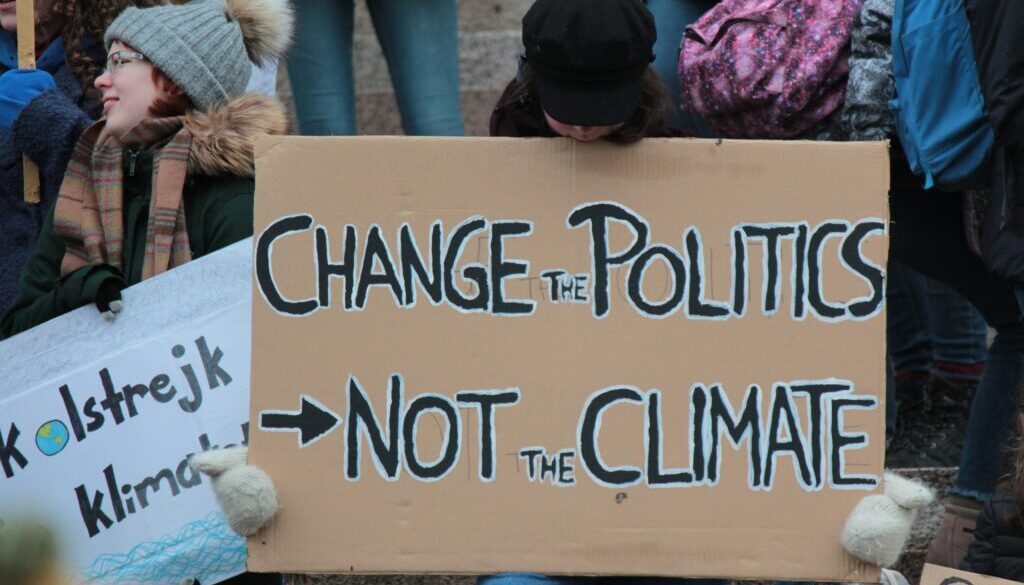
Photo: Tania Malrechauffe/Unsplash